The core task: enabling rotation while maintaining the required vacuum quality, process cleanliness and system availability.
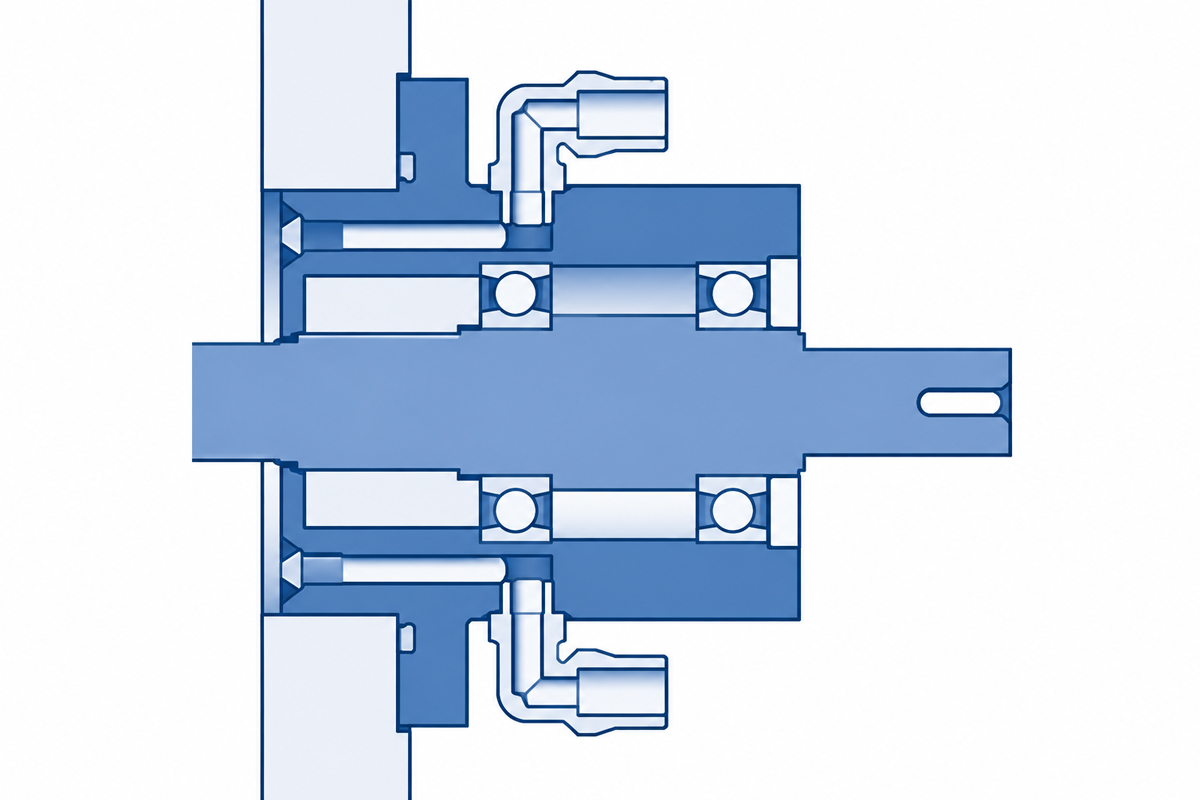
Mechanical feedthroughs keep the drive outside the chamber and transmit motion into the evacuated space through a vacuum-tight seal. Their most common purpose is to rotate or angularly position a workpiece, substrate, target or sample holder.
In industrial coating systems, they frequently provide uniform substrate motion; in research and surface analysis, they enable reproducible sample orientation. Other common tasks include shutter and aperture actuation, wafer handling, beam steering, transport rollers, vacuum furnaces and combined rotary and linear motion.
The most suitable design depends on more than the ultimate pressure alone. Key factors include rotational speed, starting and peak torque, duty cycle, axial and radial loads, bake-out temperature, process gases, particle requirements, magnetic field sensitivity, leak rate, installation space and maintenance strategy.
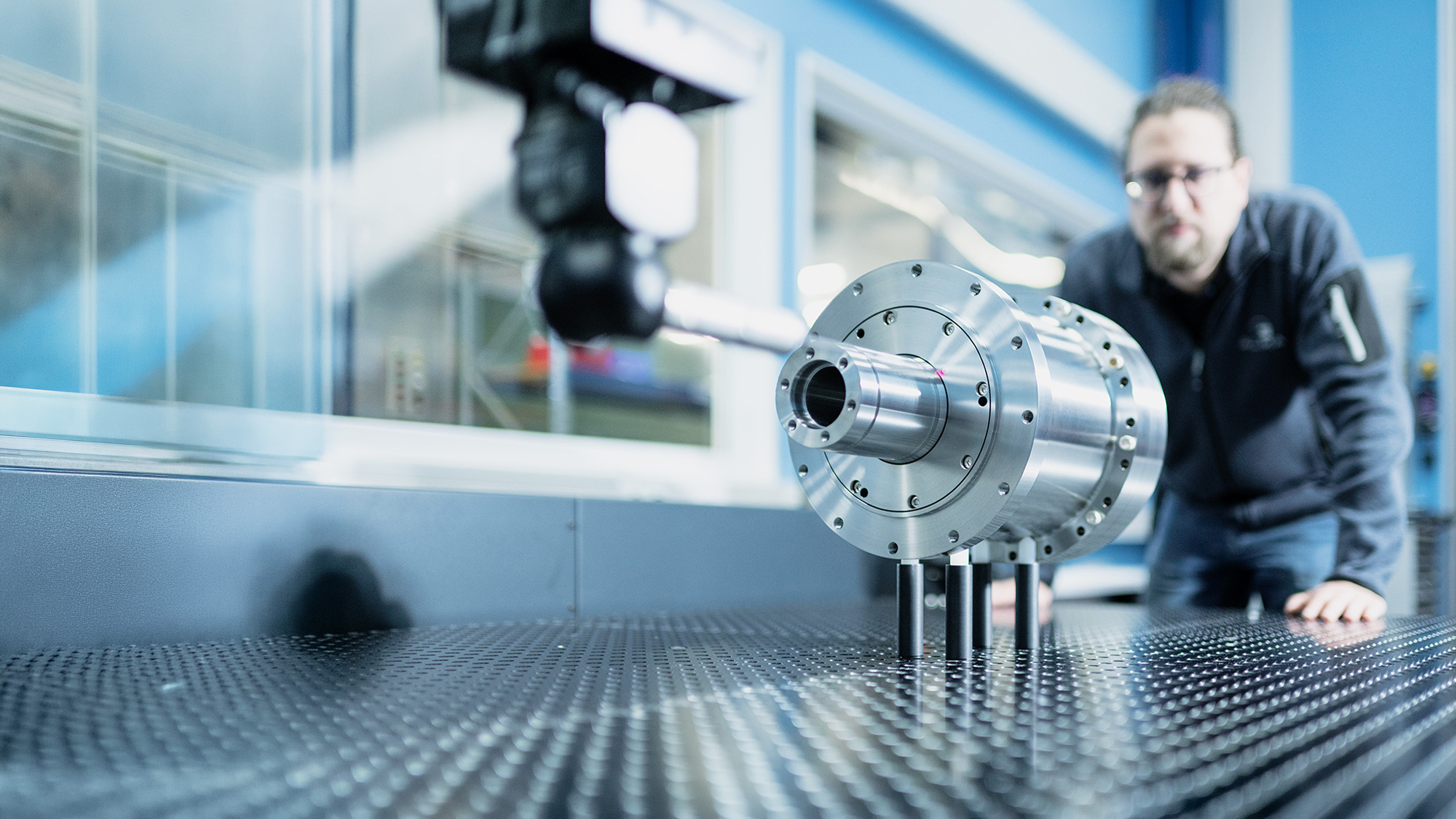
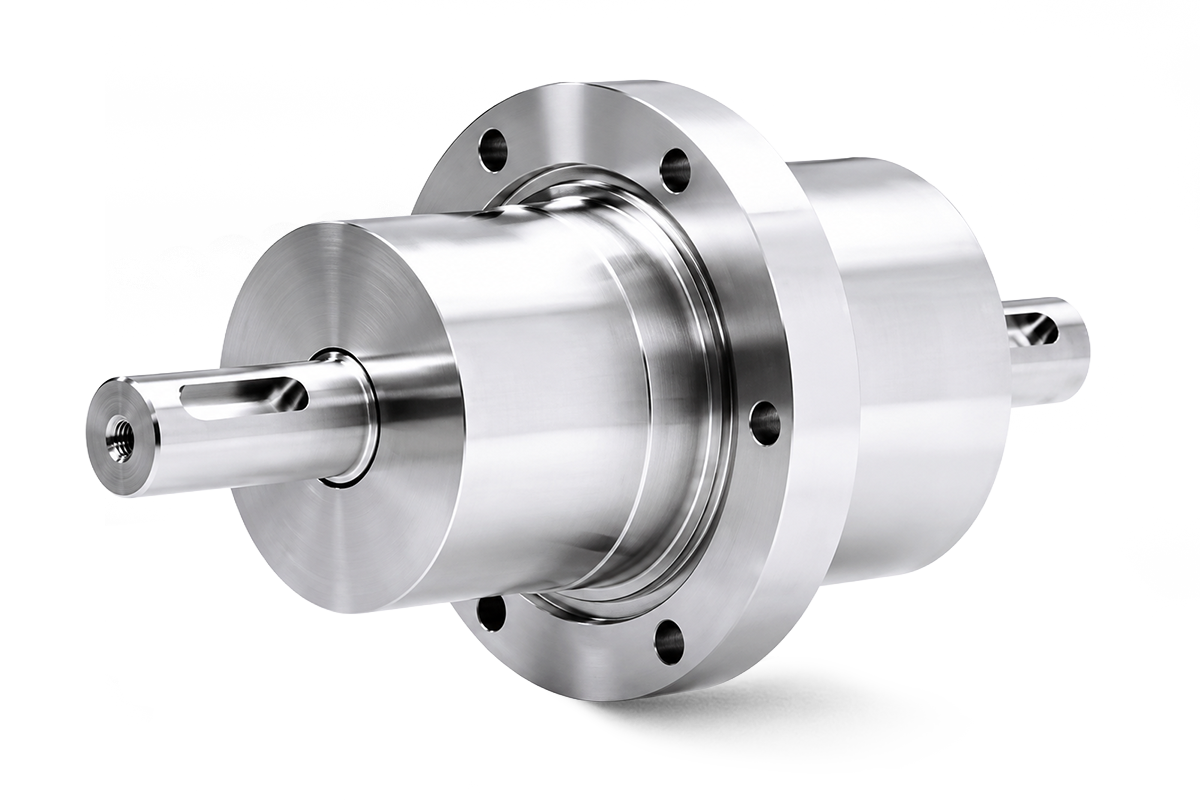
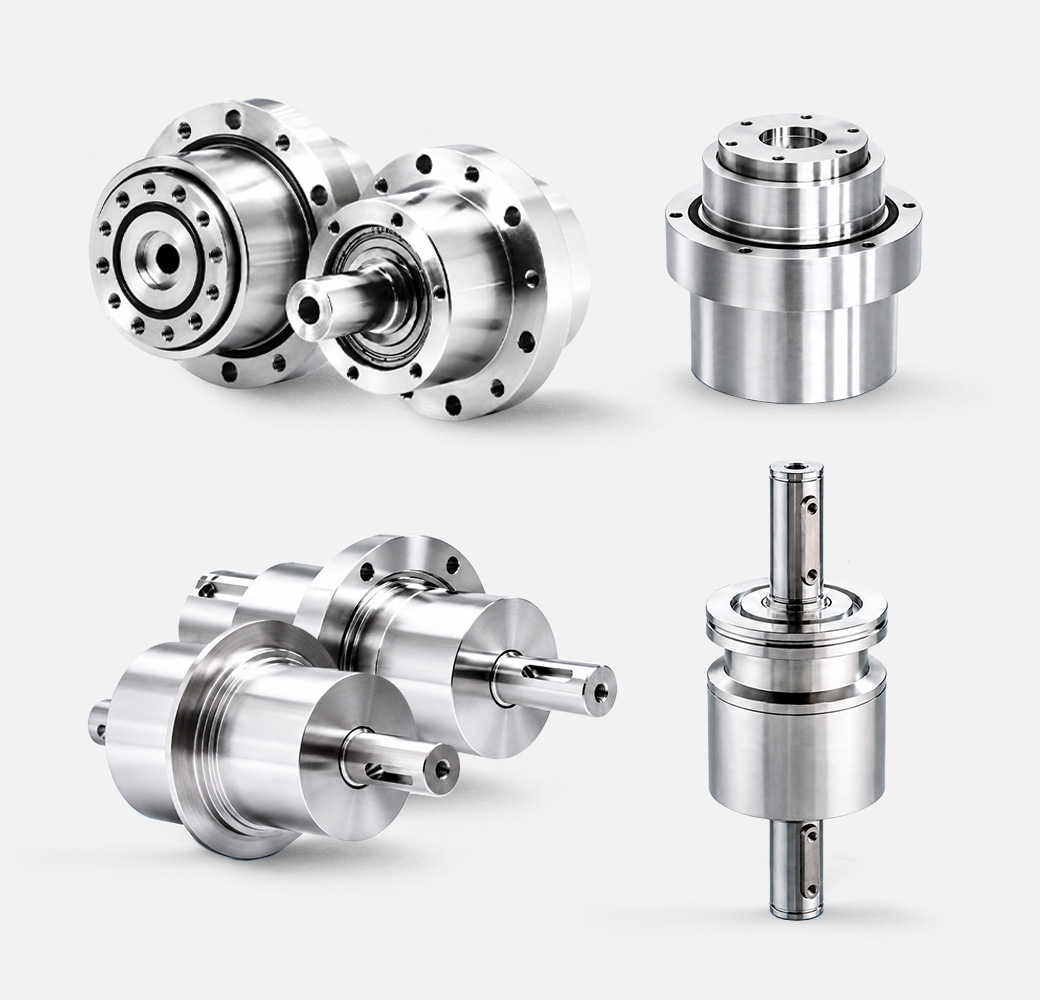
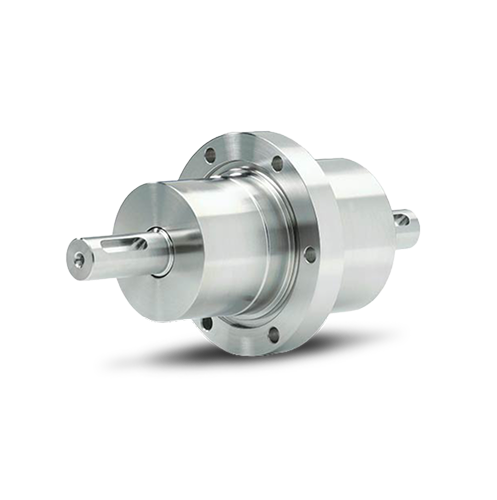
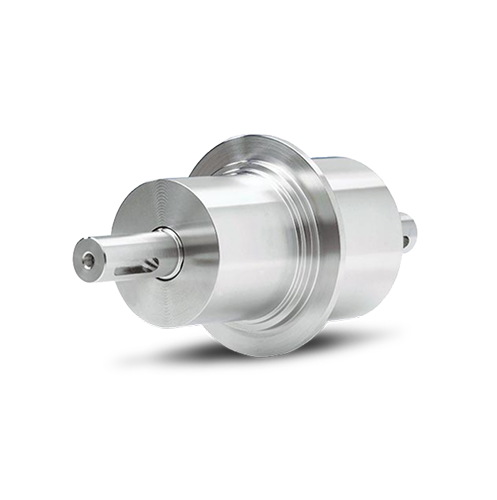
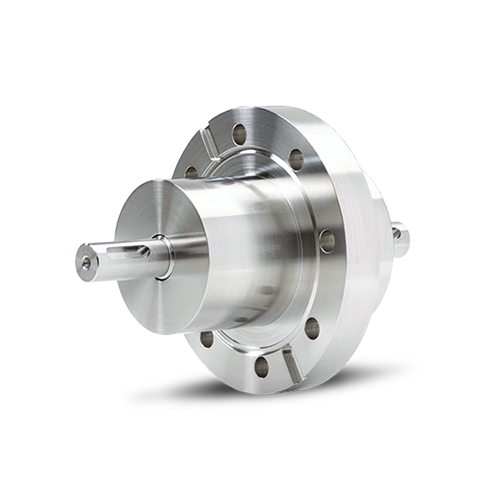
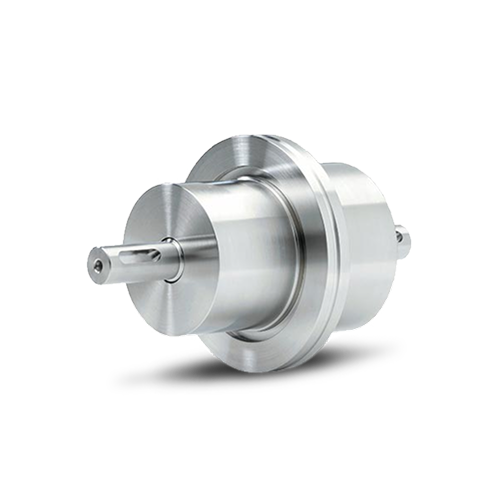
ALMA driving elements ferrofluidic rotary feedthroughs combine high rotational speeds, strong torque transmission and low seal friction.
The most cost-effective rotary feedthrough is the one that transmits the required motion with sufficient operating margin while minimising leakage, contamination, maintenance and the risk of downtime.