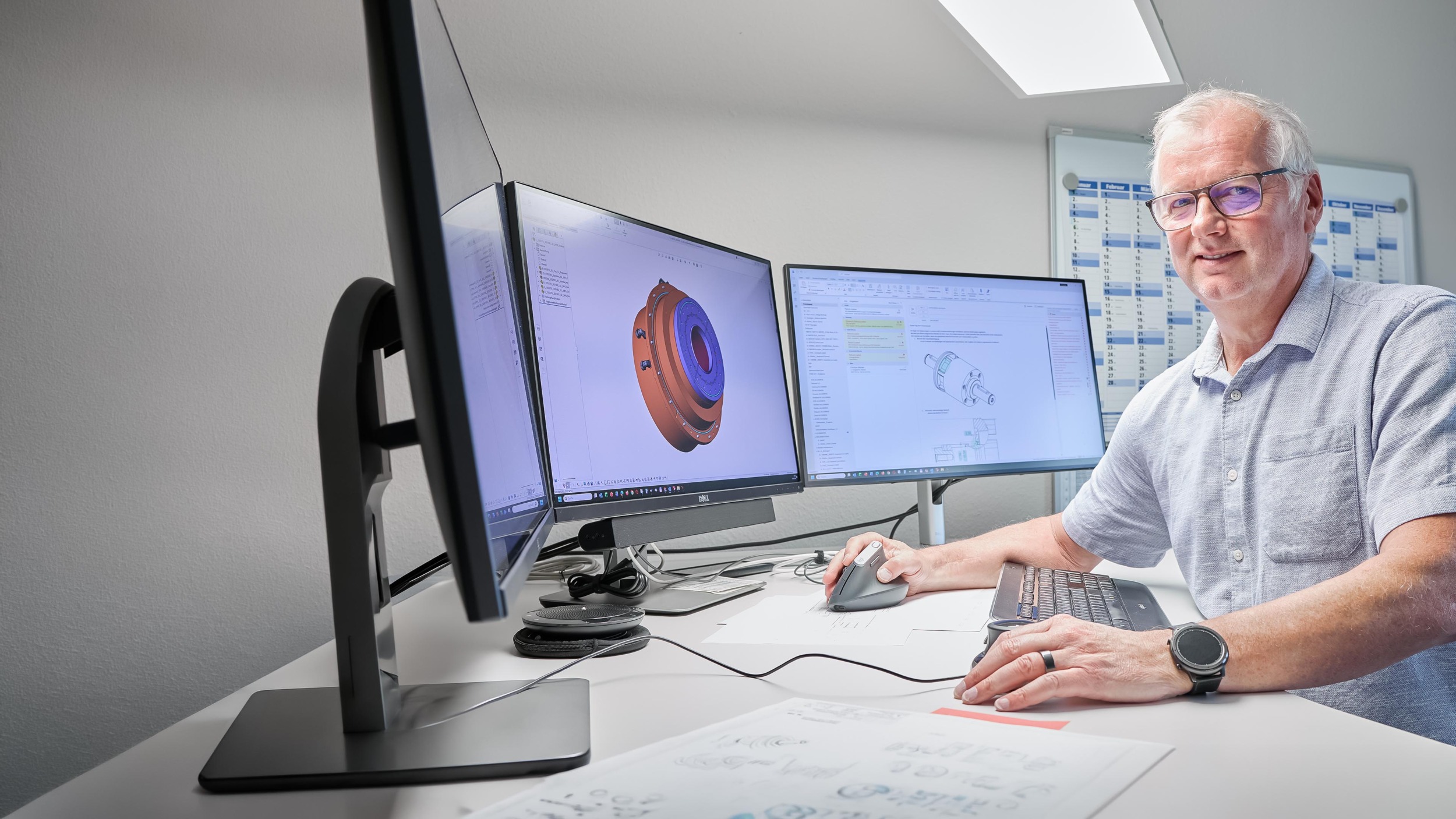
Direct Drive Instead of Mechanical Transmission:
What Changes?
Direct Power Transmission
Torque or force is transmitted directly to the load. Gearboxes, timing belts and lead screws are eliminated. This reduces mechanical complexity, while requiring the motor to handle the load directly. Customer benefit: fewer potential points of failure in the transmission chain, combined with highly dynamic performance.
| Technical Feature | Customer Benefit |
|---|---|
| Backlash-Free Power Transmission | More Stable Positioning and Improved Repeatability. |
| Weniger Schnittstellen | Einfachere Integration und weniger mechanische Toleranzketten. |
| Direkte Regelung | Hohe Dynamik bei Scan-, Justage- und Positionieraufgaben. |
| Fewer Transmission Components | Potential for Reduced Wear and Maintenance Requirements. |
Vacuum Compatibility Is a System-Level Capability
Four Key Technical Criteria
01 · Thermal Management
Without convection, heat losses must be dissipated through housings, flanges and contact surfaces.
02 · Materials
Materials, insulation and cables are selected based on their outgassing and bake-out behaviour.
03 · Cleanliness
Guides, bearings and surfaces must minimise wear debris and particle generation in the process.
04 · Validation
Leak rate, outgassing, particles, temperature and service life are tested under real operating conditions.
Your Benefit: More Stable Process Conditions and a Lower Risk of Contamination.
Overall system performance depends on the interaction between the drive, guidance, sensors, thermal management and materials—not solely on the motor.
Technical Architecture
for Demanding Motion Axes
Rotary Systems – Torque Motors
Torque is generated directly at the shaft. Hollow shafts allow cables, optical paths or media to pass through the rotational axis.
Integration Benefit: Compact modules for wafer, substrate or optics rotation.
Linear Systems – Voice Coil / Moving Magnet
Bidirectional force, approximately proportional to current. Flexure or leaf-spring guides eliminate sliding contact.
Integration Benefit: Low-particle motion with highly dynamic performance and low mechanical complexity.
Sensors & Control
System accuracy is also determined by encoders, guidance, stiffness, thermal stability and control system design—not solely by the motor.
Customer Benefits by Industry
One Drive – Multiple Benefits
The technical architecture is assessed differently depending on the process. What matters is which objective the customer prioritises: cleanliness, cycle time, accuracy, flexibility or long-term stability.
The design starts with the process—not with an isolated motor specification.
| Industry | Typical Task | Key Benefit |
|---|---|---|
| Semiconductor Manufacturing | Wafer Handling, Inspection, Alignment | Cleanliness, Repeatability and Short Cycle Times |
| Vacuum Coating | Substrate Rotation, Coating Process | Uniform Motion and Fewer Sources of Contamination |
| Research | Flexible Positioning and Measurement Setups | Adaptability and Fewer Mechanical Constraints |
| Optics | Mirror, Lens and Fibre Alignment | Precise and Repeatable Positioning |
| Space Applications | Mechanisms and Instruments in Vacuum | Reliable Operation Without Conventional Oil Lubrication |
Economic Benefits: Where Is Value Created?
01 · Process Reliability
Fewer transmission components can minimise backlash, wear and additional sources of failure.
02 · Maintenance Risk
Potential for fewer points of mechanical wear—bearings and guides remain critical design considerations.
03 · System Integration
Hollow shafts, compact designs and direct controllability simplify integration into confined spaces.
04 · Scalability
Custom adaptation to torque, stroke, speed, vacuum level, temperature and interfaces.
Building a Reliable ROI Assessment
Economic benefits primarily result from reduced downtime, lower scrap rates and more predictable maintenance. General ROI figures are not reliable without system-specific data. Assessments should use the customer’s actual cycle time, failure and maintenance data.
Selection Criteria and Next Steps
Technical Requirements Specification
| Assessment Criterion | Parameter to Be Defined |
|---|---|
| Vacuum | Pressure Range, Permissible Outgassing, Particle Limit |
| Motion | Torque/Force, Rotational Speed/Linear Velocity, Stroke, Cycle Profile |
| Mechanics | Load Inertia, Guidance, Bearings, Installation Space, Hollow Shaft Bore Diameter |
| Environment | Temperature, Bake-Out, Magnetic Fields, Radiation |
| Quality | Accuracy, Repeatability, Service Life, Acceptance Criteria |
The Key Message
ALMA direct drives combine precision and dynamic performance with reduced mechanical complexity. Customer value comes from a vacuum-compatible overall design encompassing the motor, guidance, sensors, thermal management and materials.
ALMA Direct Drives:
When precision, reliability and tailored solutions matter.
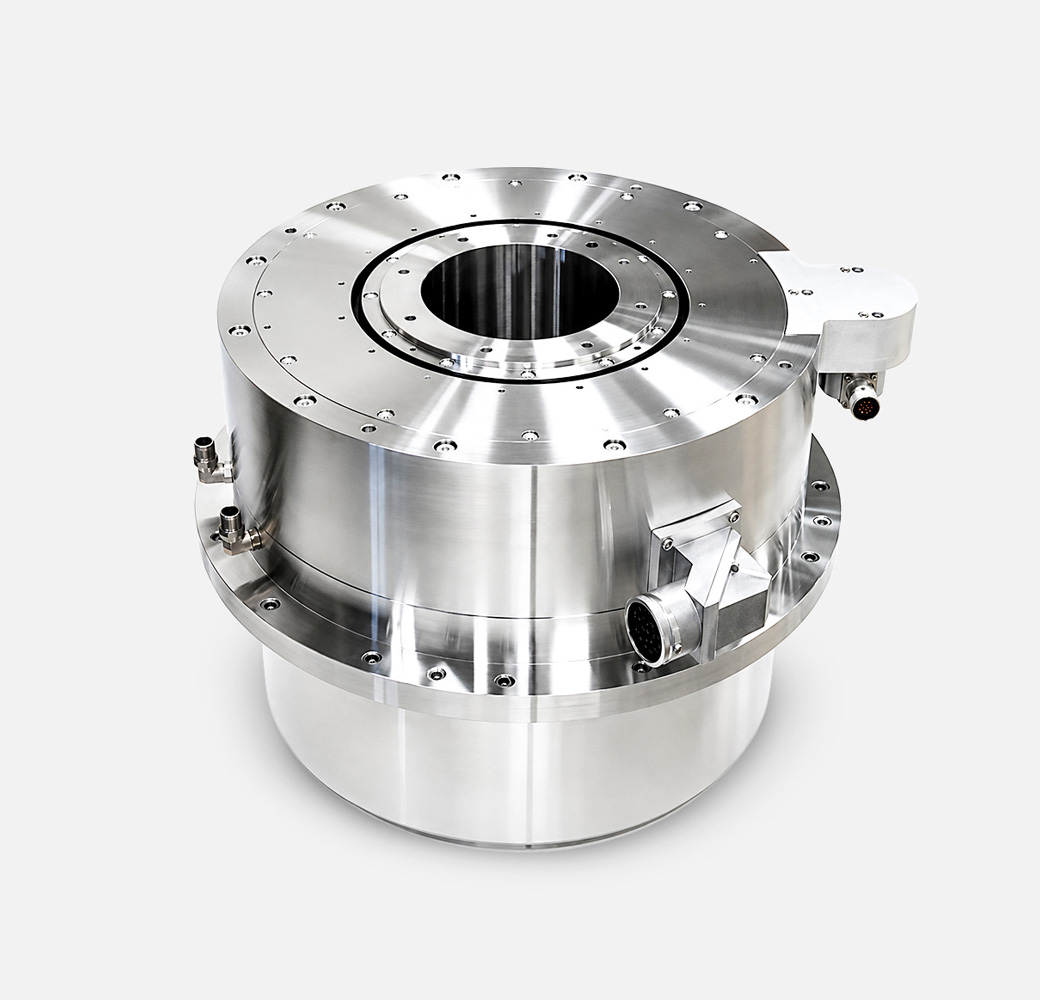
Precision for Reliable Processes
Highly precise, virtually backlash-free motion in vacuum delivers excellent repeatability, stable processes and reliable positioning for the most demanding applications.
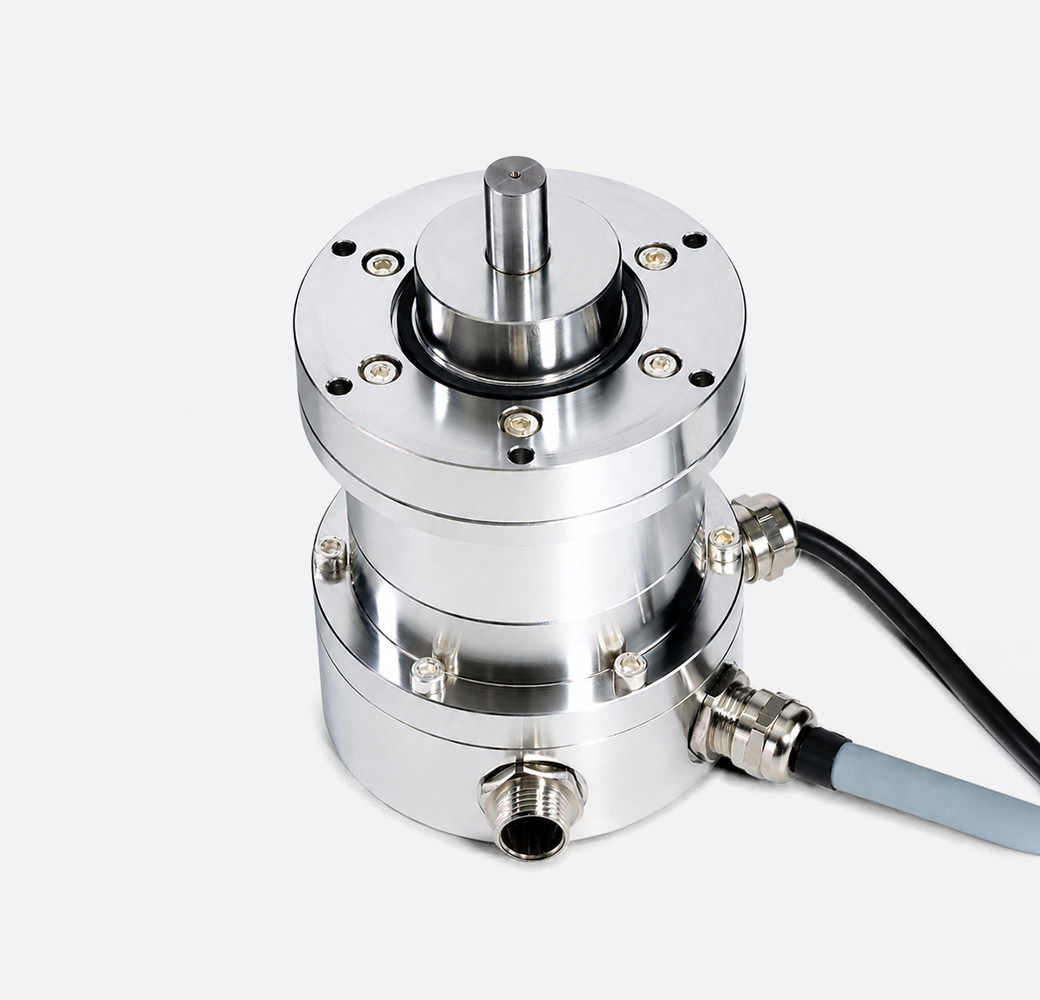
Maximum Precision for Demanding Vacuum Processes
Highly precise, virtually backlash-free motion ensures exceptional positioning accuracy and repeatability. Systems with precision bearings, vacuum-compatible materials and thermally optimised designs also ensure stable processes over the long term.
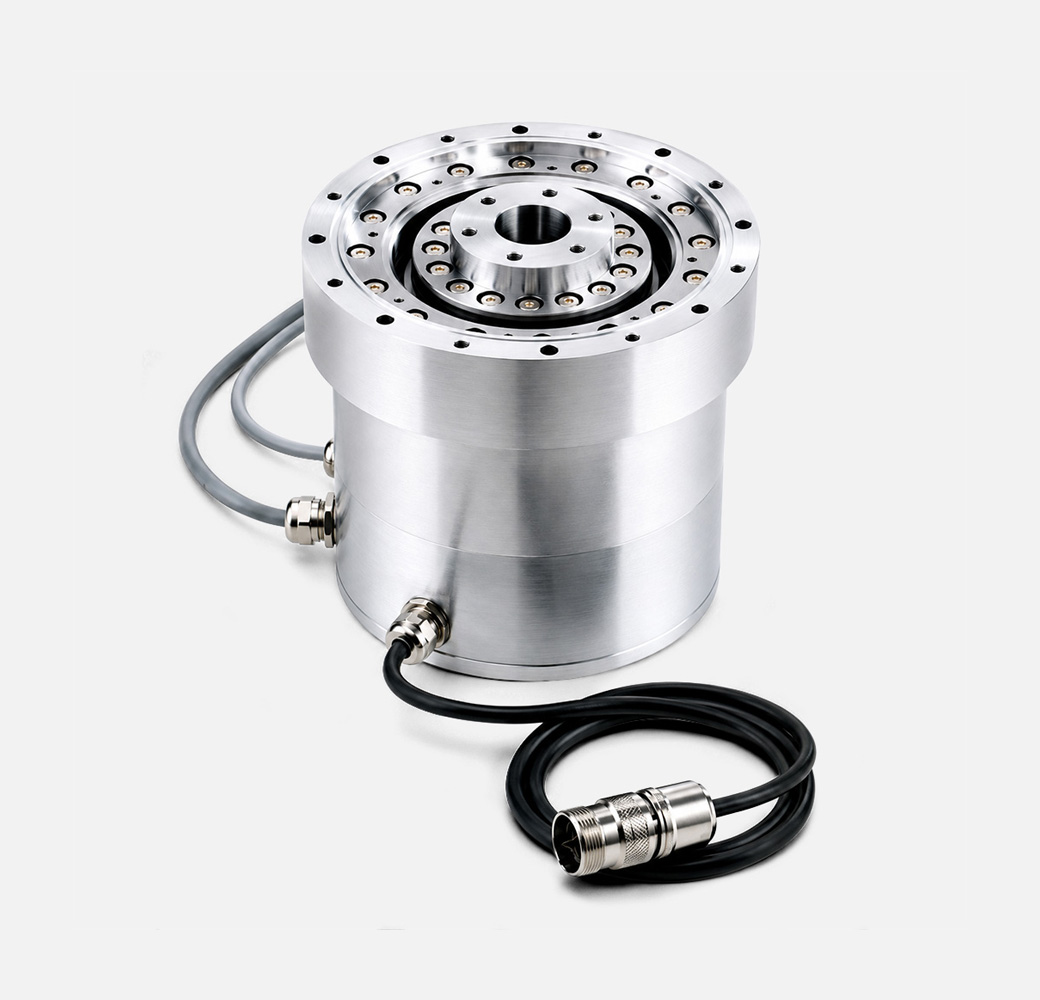
When Every Detail Counts: Precision in Vacuum
Highly precise, virtually backlash-free motion guidance ensures maximum positioning accuracy and repeatability. Precision bearings, vacuum-compatible materials and a thermally optimised design ensure stable and reproducible processes.
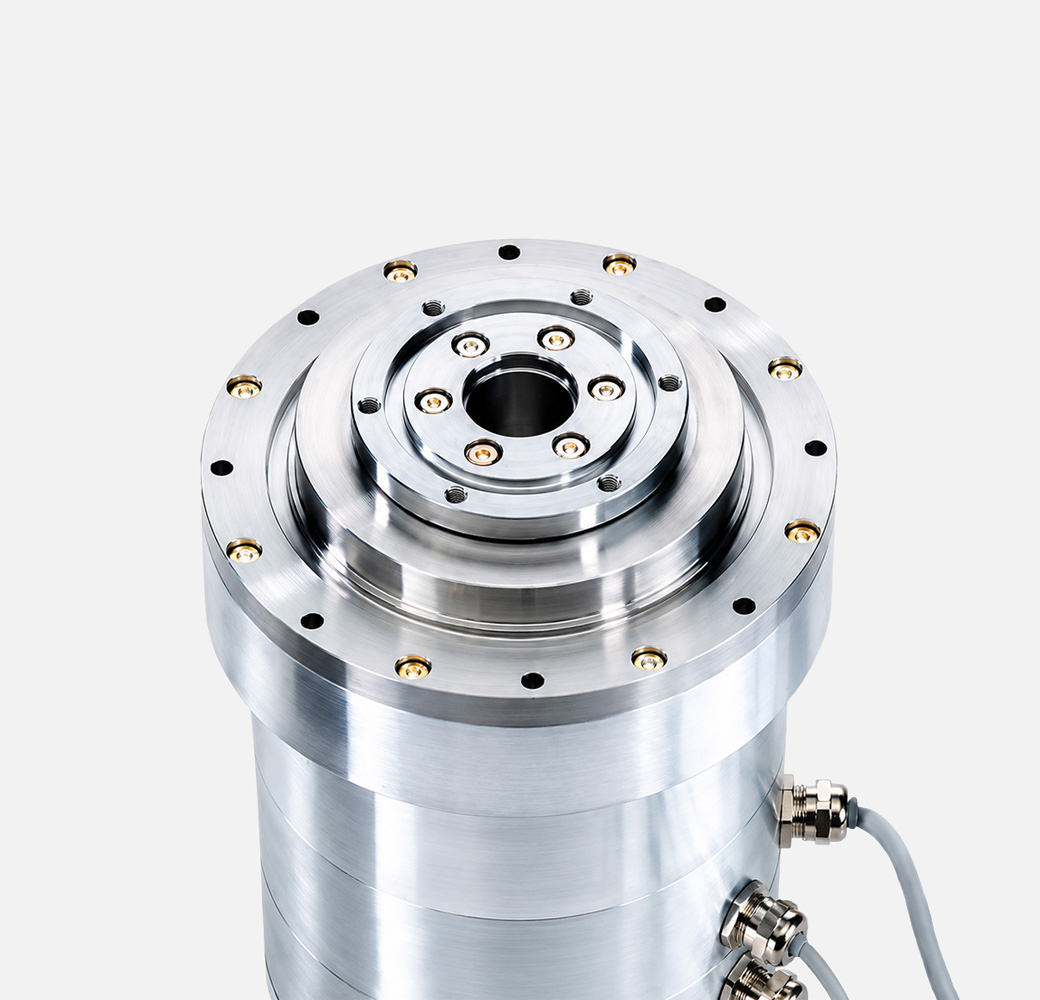
Dynamic Performance Meets Precision in Vacuum
Combine highly dynamic performance with precise, repeatable motion. Eliminating mechanical gear stages reduces wear, particle generation and potential sources of failure—for stable processes and high system availability.